

High School to College: A Parent’s Guide to Readiness

High School to College: A Parent’s Guide to Readiness

For many families, the move from high school to college feels like standing between two chapters of life—one closing, the other just beginning. Your student is eager for freedom but may also feel uncertain about what’s ahead. As a parent, your role shifts from managing daily details to guiding from the sidelines. The goal is not to hold on but to help them feel capable of standing on their own..

1. Acknowledge the Emotional Transition

Leaving high school behind can stir up more emotions than most students expect. They’re excited to take the next step, but underneath that excitement often lies anxiety about fitting in, managing new responsibilities, and being far from home

That worry can make even strong students doubt their abilities. A national survey found that 46% of college students felt least prepared for the academic side of college, not because they lacked skills, but because they struggled with confidence and adjustment.

That sense of being “not ready” can show up as stress or self-doubt in the first semester.When parents validate those difficult emotions, rather than rushing to fix them, it helps teens regain that confidence.

Ask what they’re excited or uncertain about, listen without judgment, and remind them that it’s normal to feel both ready and unsure.

That emotional steadiness becomes the groundwork for stronger learning habits later on.

2. Build Life Skills for Independence

Once your student feels emotionally grounded, it becomes easier to focus on the skills they’ll need to succeed in college. The college environment is different from high school in ways that can surprise even strong students. Professors expect more independence, assignments come with fewer reminders, and grades often depend on just a few major projects or exams.

According to the U.S. Department of Education, about 45% of high school graduates enroll directly in four-year colleges and 17% in two-year schools. Every student must adjust to new expectations for time management and accountability. The earlier students start building these habits, the easier that transition becomes.

Gently Guide Habit-Building

This is where parents can make a lasting impact. By offering gentle guidance now, you can help your student build the habits that turn uncertainty into confidence. Start with a few simple areas that prepare them for independence:

  • Time management: Encourage your student to map out their week, balancing study, rest, and downtime. Tools like Google Calendar or MyHomework can help students visualize their time and stay organized.
  • Budgeting: Give them the chance to handle their own spending for a month or manage a set allowance.
  • Self-care: Talk openly about sleep, nutrition, and taking breaks when things feel heavy.
  • Organization: Let them take ownership of keeping their space tidy and their schedule on track.
  • Problem-solving: When challenges come up, resist the urge to step in. Instead, guide them through how to find their own solutions.
  • Support Identification: Help them understand how to recognize when they need extra support and how to ask for it. 

For example, a Jamie The Scholar tutor can help students strengthen academic strategies like planning, organization, and workload management while supporting them in their subject areas

Give your student room to stumble now, when the stakes are lower. Each mistake is a rehearsal for independence. These moments of learning, patience, and resilience will shape the foundation they’ll stand on when they head off to college.

3. Guide, Don’t Take Over, the College Application Process

The college application season can be one of the most exciting and stressful times for families. Parents want to help, but it is easy for that support to turn into pressure without meaning to.

This time is less about managing your student’s progress and more about walking beside them as they make big decisions about their future.

Help your student take ownership of the process. Set aside time each week to review progress together, but let them lead the way.

Encourage them to research schools, schedule campus visits, and communicate with admissions offices. Your role is to provide guidance, encouragement, and a calm perspective when the process feels overwhelming.

Example Conversation:
Instead of saying, “Have you finished your applications yet? You are running out of time,” try, “How are you feeling about your applications this week? Is there a part that feels tricky or stressful?”

This gentle shift invites conversation rather than pressure and keeps communication open.

When it comes to essays or interviews, be their sounding board, not their editor. Offer feedback only when asked, and focus on encouragement more than correction. The goal is to help your student find their voice, not to rewrite it for them.

Example Conversation:
Instead of saying, “That essay does not sound like you,” try, “Your story comes through really clearly here. Is there anything you would like to add to make it feel more personal?”

The college process is not just about acceptance letters. It is a training ground for independence. Let your student feel trusted, even when the outcome is uncertain. That trust will matter more than any essay draft or deadline ever.

4. Stay Connected Once College Begins could

When college move-in day finally arrives, the shift can feel just as big for parents as it does for students. After years of daily involvement, it can be hard to step back and let them take the lead. Yet this is exactly what helps your student grow into their independence.

Your role now is to stay present without hovering. Keep communication open by setting a rhythm that works for both of you, such as a weekly call or a regular text check-in. 

These small connections remind your student that you are still there while allowing them the space to manage life on their own.

Example Conversation:
Instead of asking, “Are you keeping up with your classes?” try, “What has been your favorite part of this week so far?”

This kind of question invites real conversation and gives your student room to share what matters most.

If your student starts to struggle, remind them that asking for help is a sign of maturity, not failure. Encourage them to reach out to professors, tutoring centers, or academic coaches for support. Continued support can make a significant difference during the first semester when new responsibilities and challenges often feel overwhelming.

A Partnership for the Journey Ahead

The move from high school to college is as much a milestone for parents as it is for students. By offering guidance, space, and belief in your student’s abilities, you’re giving them the foundation to succeed not just in college, but in life.

Whether your student is preparing for applications or adjusting to their first semester, Jamie The Scholar can help them strengthen academic skills, build confidence, and develop lasting independence.

Call us today at 888-577-3224 to learn how our tutors and academic coaches can make the high school-to-college transition smoother for both you and your student.

Supporting Your High Schooler Without Taking Over

Supporting Your High Schooler Without Taking Over

High school is an exciting yet challenging time. Teens are developing their independence, balancing heavy coursework with extracurriculars, and starting to think seriously about their futures. As a parent, it can feel tricky to know when to step in and when to step back. 

The good news? You don’t have to choose one or the other. You can support your high schooler without being a helicopter parent (rotor blades optional).

Below we will discuss three key ways to guide your teen through high school while encouraging them to think independently and grow on their own.

Collaborate on Long-Term Goals

High school is the launching pad for what comes next—college, careers, or other post-graduation paths. Setting goals helps teens connect what they’re doing now with what they want to do in the future. Having open-ended conversations about what your teen is thinking can make them more receptive to your advice.

How to help:

  • Start conversations about what excites your teen, whether it’s a subject they love, a college they’re curious about, or a career idea.
  • Break big goals into smaller steps like researching colleges, exploring internships, or preparing for standardized tests.
  • Revisit and adjust goals together as they grow and change.

Example conversation:
“What’s one thing you’re excited about after high school? How can I support you in making that happen?”

Why it matters:
When teens see how today’s efforts link to tomorrow’s dreams, they’re more motivated to stay on track.

Tool to try: 

Encourage Self-Advocacy

High school is the perfect time for students to practice advocating for themselves. Whether it’s asking for help from a teacher or organizing their schedule, managing their own needs will be essential to their success in college and beyond.

How to help:

  • Role-play situations like emailing a teacher about a missed assignment or approaching a tutor with specific questions. Remember–you want to guide them, not direct them.
  • Let them make some mistakes and understand it’s part of the learning process. Think of it as a practice run in a safe space.
  • Celebrate the fact that they’re trying, even if the outcome isn’t perfect.
Family support

Example conversation:
Instead of, “You should have asked your teacher for help,” try, “That topic sounded tricky—would you feel comfortable emailing your teacher or tutor to ask for extra support?”

Why it matters:
Self-advocacy builds confidence, responsibility, and resilience—all skills your teen will carry into adulthood.

Tool to try:

  • Khan Academy – a free resource that empowers teens to take charge of their own learning.
  • Google Keep  – a simple note-taking app for tracking tasks, reminders, and questions.
  • Notion – a more advanced tool for organizing assignments, projects, and schedules visually.

Balance Academics and Well-Being

The pressure to excel in high school can be overwhelming.  Between AP classes, extracurricular commitments, test prep, and social pressures, many teens feel stretched to the breaking point. Parents often see the signs first, noticing their teen feeling exhausted, irritated, and anxious. 

This is where you can make biggest difference. Helping your teen balance academics with their personal well-being not only reduces stress but also teaches them habits that protect their mental health.

How to help:

  • Keep an eye on their workload and stress levels.
  • Encourage healthy routines, including regular exercise, balanced meals, and plenty of sleep.
  • Model balance by prioritizing your own well-being as well.
  • Make space for downtime, whether that’s a family movie night, a walk with the dog, or an hour for a hobby.
Example conversation:

“I’ve noticed how hard you’ve been working. How about we take a break and go for a walk or watch something fun together?”

Why it matters:
Valuing mental health as much as academic achievement reminds teens that they’re more than their grades. Balance strengthens focus, creativity, and overall performance.

Tool to try: 

  • Headspace – an app with mindfulness and stress-relief exercises perfect for busy teens.
  • Forest – helps teens focus by gamifying study time.
caring parent

Guiding with Support, Not Control

High school is about more than grades. It’s about growth, independence, and preparing for the future. By collaborating on goals, encouraging self-advocacy, and helping your teen balance academics with well-being, you give them the tools they need to thrive without taking away their independence.

At Jamie The Scholar, we understand that every student’s journey is different. That’s why our tutors work with high school students every step of the way to build confidence, strengthen academics, and prepare for what’s next.

Call us today at 888-577-3224 to schedule a free consultation and help your teen thrive in high school and beyond.

What to Do If You’re Not Happy with Your SAT or ACT Score (and When to Submit It)

What to Do If You’re Not Happy with Your SAT or ACT Score (and When to Submit It)

Has your child studied, showed up on test day, and waited anxiously for their SAT or ACT results only to feel disappointed when the scores arrived? If that sounds familiar, you’re not alone.

Many students don’t reach their target score on the first try, and the pressure to perform can feel overwhelming. But here’s the truth: a single test score isn’t the final word on college admissions, and there are smart ways to move forward. While a handful of students walk in and magically score a 35 or a 1570, most need to study and retake the exam three to five times to truly reach their potential.

What To Do When a Score Falls Short 

 A lower-than-expected score can feel discouraging, but it’s also an opportunity. Here are three steps students can take:

1). Retake the Test with a Focused Plan

First, reflect on what went wrong. Was timing an issue? Did nerves get in the way? Were there specific sections that felt especially hard? Once the obstacles are clear, students can address them directly. This could mean practicing pacing, reviewing tricky math concepts, or building confidence through repetition.

2).Work with a Tutor

At Jamie the Scholar, our SAT and ACT tutors personalize their approach based on each student’s strengths and challenges. With expert guidance, students can transform their weak spots into strengths, raising their scores more efficiently than trying to do it on their own.

3). Use Superscoring to Your Advantage

Many colleges superscore, meaning they combine the highest section scores from multiple test dates. For example, if your child earned a higher math score on their second try and a better reading score the first time, the school will take the best of both.

Understanding What “Test-Optional” Really Means

In recent years, many colleges have adopted test-optional admissions policies. That means students can choose whether or not to submit SAT or ACT scores as part of their application. But test-optional doesn’t mean test-unimportant.

If your child’s score is at or above a college’s middle 50% range, the range in which the middle half of accepted students scored, it’s often worth submitting. Scores in this range can strengthen their application, especially if other areas (like GPA or extracurriculars) are average. However, if the score falls well below that range and doesn’t align with the student’s academic profile, holding it back may be a better strategy.

Even at test-optional schools, test scores can still serve a purpose. A strong SAT or ACT score might boost your child’s eligibility for merit-based scholarships, increase their chances of being invited to honors programs, or provide added context when their GPA isn’t as strong. Submitting a score isn’t always necessary, but when it works in your child’s favor, it can quietly move their application from the “maybe” pile to the “let’s take a closer look” stack.

Strategic Planning Makes All the Difference

Sometimes a lower score isn’t the issue—it’s how the college list is built around it.

That’s where experts like Jackie Postelnick at Conscious College Planning come in. 

Jackie helps students create a college list that reflects their values, strengths, and goals, taking into account everything from academic fit to financial aid and merit scholarship potential. 

She also helps families navigate test-optional policies strategically, so students submit scores where they add value and hold them back where they don’t.

Supporting Your Student’s Next Steps

Whether your student is just starting their test prep process or aiming to hit a target score, we’re here to support them every step of the way.

One test score doesn’t define your child’s potential, and it definitely shouldn’t define their future. With the right support and strategy, students can move forward with clarity, confidence, and a strong college application.

If your student could use extra support, we’re here to help:

  • Work with Jamie the Scholar to boost their test prep and confidence.
  • Connect with Jackie Postelnick to build a thoughtful, balanced college list that reflects your child’s unique path.

There’s always a way forward, and we’re ready to walk it with you.

Test Prep in the Real World

Test Prep in the Real World

Test prep is oftentimes the bane of a high schooler’s existence. It’s usually relegated to the corner of a student’s life, while other commitments take priority. It’s easy for teenagers to see ACT/SAT tutoring as more work. It’s harder for them to see it as extra support for getting ready for post-high school life.

Seeing test prep only as a method to get the desired score is understandable and vital, but it can rob students of gaining more out of their efforts. 

This is why, at Jamie the Scholar, we make sure that students see that what they’re learning is relevant to real-life situations. Here are three ways that students’ test prep efforts with our team help them even after they achieve their goal scores.

1. The Verbal Sections Train Students to Derive Meaning

As students study for the Verbal sections of their exams, they learn to grasp the main points of what they’re reading. This is a key way that people gain new knowledge, even as adults. As our lives become fuller, knowing the main ideas of what we read is how we know that we’re reading efficiently.

The more challenging questions, like the ones requiring inferences, push students to pay attention to what is unsaid. In addition, students have to process the information in front of them in order to arrive at their own conclusions.

This skill is like “reading the room” when you arrive at a social event. You walk in, there is a lull in the atmosphere, and everyone who’s there is silent, disconnected from each other, and on their phones— no one would need to tell you that people aren’t enjoying themselves, so you’d likely want to spend your time somewhere else!

2. The Math Sections Help Students Use Information to Their Advantage.

tutoring

The Math sections help students to sharpen their logical thinking skills. In other words, they learn to leverage numbers and information in order to arrive at a specific result. 

Just as students solve problems on these exams, they will continue to solve problems in their lives. Math-focused test prep sessions often exemplify this.

For example, both tests feature questions involving graphs, which require students to spot trends and make predictions. This is a skill that entrepreneurs use in order to predict future sales and growth trajectories of their businesses.

Along with data-related questions, the questions that focus on arithmetic help students work accurately with numbers. Shopping is the real-world context of this life skill because numbers-based reasoning is important for splitting a restaurant bill amongst friends or determining whether a concert ticket purchase fits into your personal budget.

3. Both Exams Help Students Think Ahead About College and Career Choice.

Students taking the ACT complete an Interest Inventory, which helps students to understand potential college majors and occupations that match their preferences. Similarly, students taking the SAT complete the Student Data Questionnaire, which asks about similar information.

Those results are then used for connecting students with scholarship opportunities and colleges that are a strong fit for them. These questionnaires give students a chance to remember their own preferences, aside from the influence and social comparisons involving their peers.

Achieving the goal score is the focal point of test prep tutoring, but gaining self-knowledge and refining real-world skills is how those tutoring hours benefit students even after they finish high school. Students can use those skills and self-awareness both now as teenagers and as adults making their way in the world.

Ready to Build Skills That Last Beyond Test Day? Work With Us!

At Jamie The Scholar, we prioritize both the numbers and the high-level abilities that equip students for life after high school. Our personalized approach helps students not only reach their goal scores, but also strengthen the real-world thinking skills they’ll need in college, careers, and beyond.

Whether your student is just starting their test prep process or aiming to hit a target score, we’re here to support them every step of the way.

Join the many families who have seen their teenagers achieve their goal scores and also grow in confidence and independence with our expert guidance. Contact us today to learn how we can help your student succeed — both on test day and in the future!

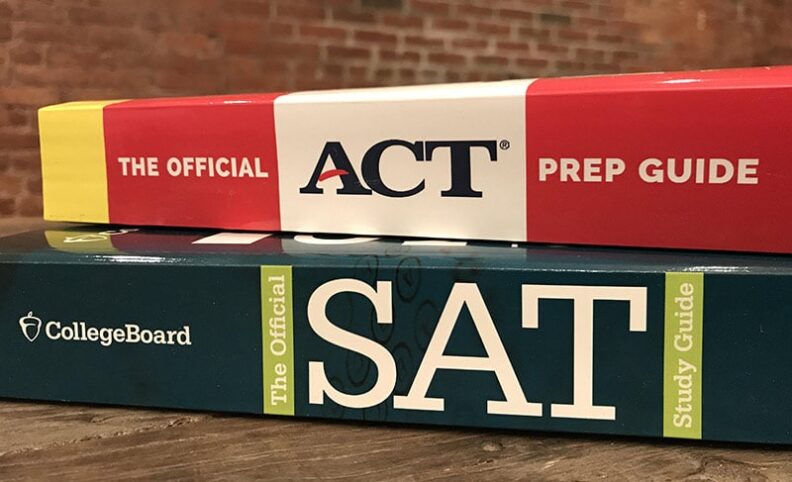
Test preparation books for the SAT and ACT

How Your SAT/ACT Score Really Affects College Admissions (and Scholarships!)

How Your SAT/ACT Score Really Affects College Admissions (and Scholarships!)

Are you confused about whether SAT or ACT scores still matter? With shifting college admissions policies, it’s understandable why parents and students often wonder if standardized tests are worth the stress. Here’s the simple truth: despite recent changes, these scores can still significantly impact your child’s admissions chances and scholarship opportunities.

Do Colleges Still Care About SAT/ACT Scores?

Colleges across the country approach standardized tests differently:

  • Test-Optional: Schools like Bowdoin College and Bucknell University let students decide if they want to submit scores. Other institutions, such as the University of Denver and the University of Chicago, also offer flexible admissions options that do not require standardized test scores.
  • Test-Required: Institutions like Florida’s public universities still require SAT or ACT scores for admission.
  • Test-Blind: The University of California system no longer considers SAT/ACT scores in its admission process, even if submitted.
Test Preparation

 Understanding these policies can help you decide whether investing time in test preparation makes sense for your child. In fact, more than 80% of U.S. four-year institutions are test-optional for Fall 2025. But what does test-optional really mean?

Why SAT/ACT Scores Still Matter

Standardized test scores are only one piece of the college admissions puzzle, but they remain influential, especially at competitive schools. Admissions committees consider various factors, such as:

  • GPA and class rank
  • Course rigor (AP, IB, Honors)
  • Extracurricular activities and leadership roles
  • Letters of recommendation
  • Personal essays

Even with these considerations, a strong SAT or ACT score can significantly enhance your child’s application, providing a competitive edge over similarly qualified applicants. They also demonstrate a student’s readiness to handle college-level work, giving admissions officers additional confidence in their ability to succeed.

Scholarships and Financial Benefits

College admissions

The financial impact of a high SAT or ACT score can be considerable. Many colleges offer automatic merit-based scholarships to students meeting specific GPA and test-score thresholds. For example:

  • At the University of Tennessee, a student with a 26 ACT might gain admission without scholarships. However, if that student improves their score to a 32 ACT, they automatically qualify for a renewable $13,000 annual scholarship, totaling $52,000 over four years.

Other school examples include Miami University of Ohio, Arizona State University, the University of Alabama, and the University of Missouri (Mizzou), all of which offer significant scholarships based on standardized test performance.

Top-tier universities, like the University of Notre Dame and the University of Chicago, also offer merit scholarships to students with exceptional SAT or ACT scores. Simply put, better scores can translate into significant financial savings.

Taking the Next Step

Improving SAT or ACT scores not only opens up more admissions options, but can also lead to meaningful financial aid through merit scholarships. With the right support, students can feel more confident in both the testing process and their overall college planning journey.

At Jamie the Scholar, students receive expert SAT/ACT tutoring designed around their unique strengths and challenges. And with guidance from experts like Jackie Postelnick at Conscious College Planning, families can craft thoughtful, well-matched college lists that set the stage for long-term success.

When tutoring and planning work together, students thrive—and their college applications show it.