


When Points Turn Into Possibilities: My Best Moments as a Tutor
By Anne Champion
When I entered academia as a career, I thought the greatest moments would be in the classroom. I fancied myself like Robin Williams in Dead Poet’s Society, reciting literature with such a devoted aplomb that my students can’t resist being enlightened by the classics.
I thought my success would be measured by the same standards I measured my worth as a student: in checkmarks, in corrected commas, in diaphanous sentences, in the quiet thrill of high scores—both of my students and of my student evaluations.
As a child, I lived by the neat arithmetic of learning as a form of validation and perfection-chasing: where did I lose points, what did I fail to explain well enough, what small mistake could I diagnose and fix before it hardened into something permanent?
I kept score because it felt responsible. It felt safe. If I could find the flaw, I could mend it. If I could mend every flaw, I’d earn the right to be alive, to be loved, to be enough.
But after 20 years of teaching, I stepped down into a part-time teaching role and devoted myself to more individual tutoring. I’ve always tutored part time, so I simply flipped the script to emphasize that role more, because, over time—quietly, almost imperceptibly—the meaning shifted.
I recognized that my most beautiful learning moments were happening as a tutor, not in the classroom. Though I love and value my work in the classroom, I found that the magic happened more often one on one.
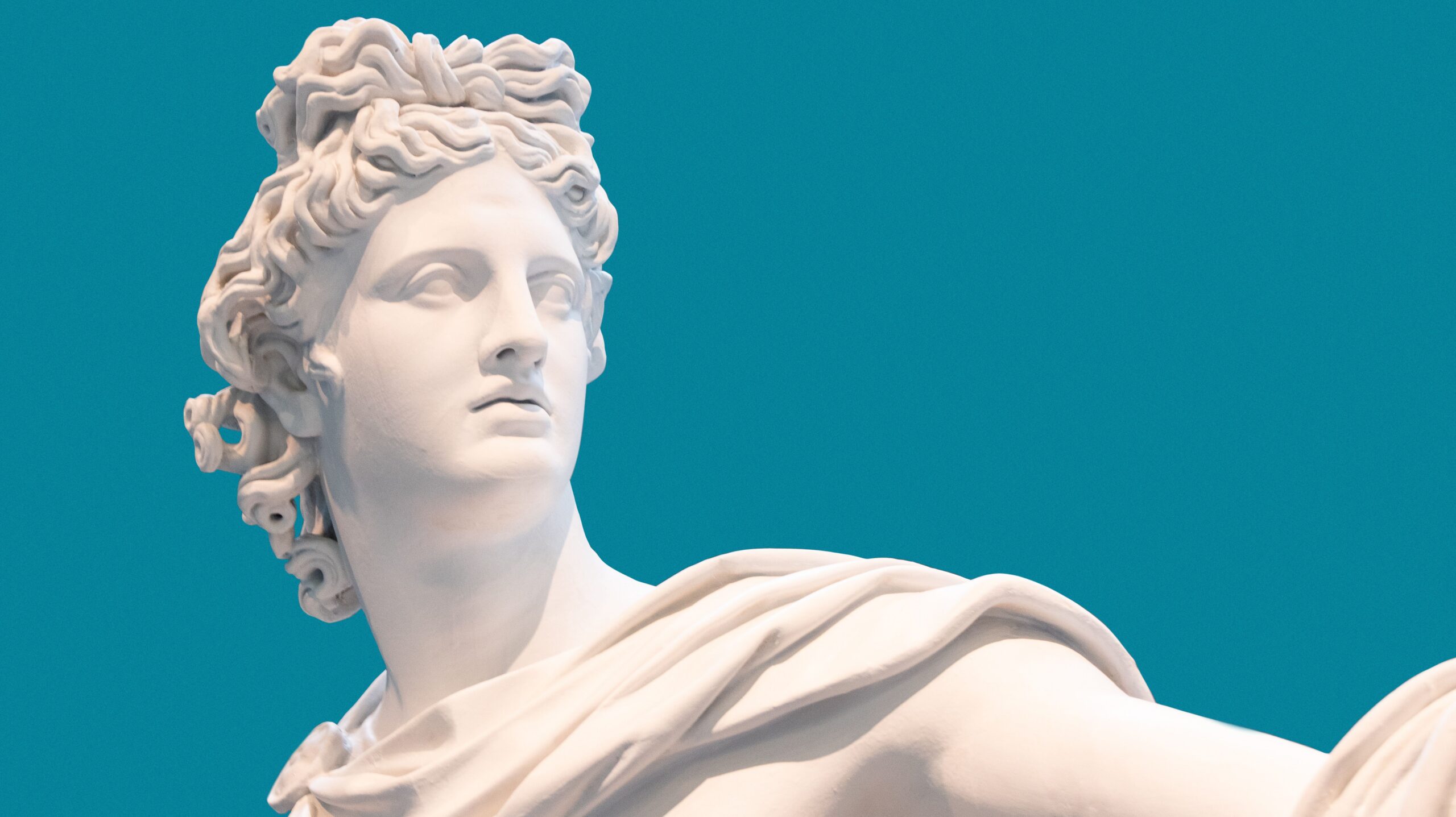
I experienced it the other day. I’m working with a middle school student whose mother was concerned that her informational writing isn’t as strong as her creative writing, which she’s passionate about. I designed a project that caters to her interests in mythology, and I watched her eyes light up as I revealed the guidelines.
“How do you feel about it?” I asked.
“I feel pretty excited!” She squealed.
Her task was to research a creature she’d never heard of before. Within seconds, she was furiously typing into Google, reading about all her options.
There it was: the magic.
The joy of learning for the sake of learning.
The magic of a curious, creative mind.
The best moments for me as a tutor are when where did I lose points becomes what do I get to create or discover?
I realized long ago that learning isn’t merely memorization or the transfer of answers and that true intelligence is far too complex to be measurable.
Real learning is the opening of doors in the mind.
In many tutoring sessions, especially in the most meaningful ones, the question itself changes. Instead of chasing what’s wrong, we chase what’s possible: the sentence a student didn’t know they could write, the argument they didn’t know they could form, the insight they’d never dared to articulate.
My own educational experience and my insecurities had trained me to treat learning like a ladder: climb, reach, earn accolades as proof of worth.
Tutoring taught me it could also be a doorway: step through, breathe, wonder.
EVOLVE.

In the beginning, I carried the habits of traditional teaching with me—lectures polished to a shine, pacing designed for the average student, explanations built to last an entire room. And yet, I learned why those beautiful moments rarely arrived in that environment.
College teaching, over time, became a barrage. So much of what surrounded it felt misaligned with the soul of education. There was AI: shortcuts that erased the struggle without producing understanding. There were students trapped in the toxic treadmill of competition-chasing. As at all costs, treating learning like a transaction instead of a transformation. They wanted clout and success, yes, but often without the willingness to read closely, to grapple with difficult ideas, or to engage with other creative minds as if those minds mattered. On top of those toxicities, a classroom can be full of a whole host of personal or mental health crises that can be difficult for one overworked person to manage.
Eventually, it became soul crushing. I’d stand in front of a room full of potential, and too often I felt like I was speaking to the echo of performance rather than the presence of curiosity. I could see the hunger for grades. I couldn’t always see the hunger for meaning.
Then I made the leap to switching my focus upon one-on-one tutoring, and suddenly the air changed.
One-on-one space is intimate in a way the classroom can’t imitate. When a student sits with me and trusts me, there’s room for their real self to enter the conversation: their confusion, their fear of being wrong, their pride when something finally clicks. I felt that trust gather like light. In that light, I could still find the moments I’d feared were gone. I could find them because they were still possible—just in a different form.
I learned to listen for their creative drives and curiosities like they were instruments waiting to be tuned. One student wanted to write like they were telling a secret; another needed stories that felt like escape; another craved structure so their imagination could finally feel safe enough to roam. When I adjusted my approach, their eyes changed. The work stopped being a burden and became a playground—something they could build with.
And then there were the moments I hold most gently: when students trusted me to go deep into emotionally vulnerable territory. They brought me poems they didn’t want to admit they’d written with shaking hands. They asked for help shaping college application essays that carried more truth than they could safely say aloud. They spoke about a first crush—how hope can be both thrilling and terrifying. They told me about loss, about the ache of a pet gone too soon, about the strange silence that follows grief like fog. Sometimes the pain was tangled with a loved one, complicated and hard to name.
In those sessions, I’m reminded why writing is so sacred to me: I was helping them survive their own emotions long enough to transform them into language.
I also found unexpected tenderness in the old classics. Reading Frankenstein and Shakespeare out loud with students struggling with reading or ADHD became its own kind of ritual. We’d stumble through lines together, then pause—sometimes right in the middle of something tragic—to talk about what we felt. How sad we were for the monster, how gullible and insecure Othello could be, and how easily love can become the doorway to manipulation when certainty is fragile.
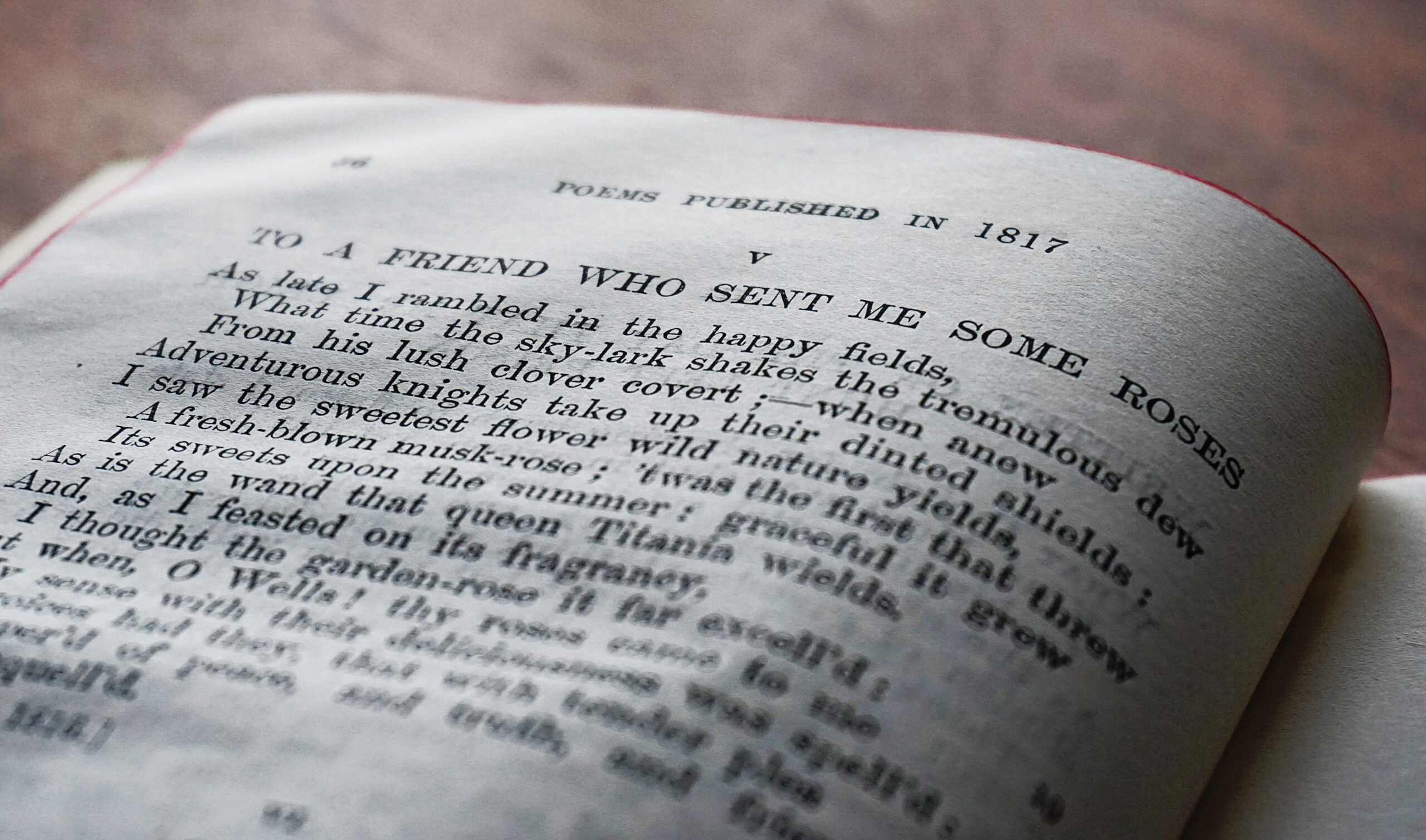
There’s something profoundly beautiful about discovering that literature isn’t a museum with a teenager, about showing them how the past is still alive in the mouth, in the mind, in the breath shared between two people who care enough to listen.
In the end, I learned that the most beautiful moments as a tutor are defined by awakening.
So I wrap these memories in a kind of promise: learning can still be human, it can still be a gift and not a penance. That curiosity can still catch fire. That trust can still open doors. And that, in the one-on-one hush of tutoring, I was allowed to witness students grow—academically, emotionally, imaginatively, and bravely—until education stopped feeling like a race and started feeling like a home.
Where Curiosity Finds Its Doorway
Anne’s story begins with a familiar question (“Where did I lose points?”) and ends with a deeper one: “What do I get to discover?”
At Jamie The Scholar, our tutors are chosen for their capacity to ask that second question. They meet each student where they are, listen for their interests, and curate learning experiences that feel less like a race and more like a place to belong.
Call us at 888-577-3224 to learn more.